


This article details a method for preparing a coffee beverage that incorporates the flavor of bacon. While the name “Bilge Brew” might evoke an image of a less refined origin, this preparation aims for a controlled infusion of savory notes into a familiar drink. The process involves several steps, from selecting ingredients to the final presentation.
Ingredient Selection and Preparation
The quality of your ingredients forms the foundation of any dish or beverage. For Bilge Brew, this principle holds true. The choices made at this stage significantly influence the final taste profile.
Bacon Selection
The type of bacon used will directly impact the rendered fat and the resulting smoky, salty, and savory notes.
- Curing Method: Cured bacon, such as dry-cured or wet-cured, offers a more concentrated flavor. Dry-cured bacon, often preferred for its crisp texture when cooked, releases a cleaner fat. Wet-cured bacon, which involves brining, may have a slightly different fat composition and potentially less intense smoke flavor.
- Cut: Standard American-style bacon, typically 1/8 to 1/4 inch thick, is a common choice. Thicker cuts, like slab bacon or un-sliced pork belly, can be rendered for a more substantial fat harvest, but require careful slicing for even cooking and flavor distribution.
- Flavor Profile: Consider the inherent flavor of the bacon. Some bacon is smoked over specific woods like hickory or applewood, imparting distinct aromatic qualities. Unsmoked bacon is also an option for those who want to highlight the pork’s natural flavor without the added smoke.
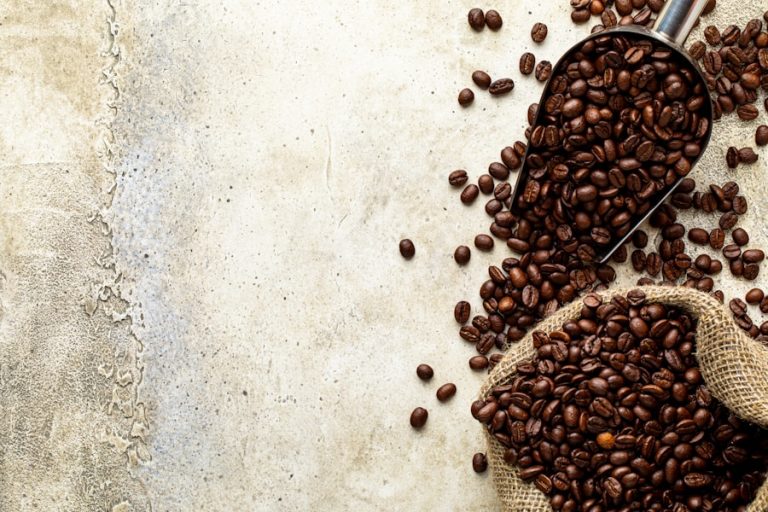
Coffee Bean Selection
The coffee serves as the base for the bacon’s infusion. Its own characteristics will interact with the savory element.
- Roast Level: A medium to dark roast is generally recommended. These roasts typically possess a bolder flavor profile, with notes of chocolate, nuts, or caramel, which can stand up to and complement the richness of bacon. A light roast, with its brighter acidity and more delicate floral or fruit notes, might be overpowered by the bacon’s savory presence. However, experimentation with lighter roasts could yield an interesting contrast.
- Origin: Single-origin coffees or well-balanced blends can work. For instance, coffees from Central or South America often have a smooth, chocolaty profile that pairs well with smoky flavors. Coffees from Africa may have brighter, fruitier notes that could create a more complex, albeit potentially clashing, flavor experience.
- Freshness: As with any coffee, using freshly roasted and ground beans is crucial for optimal flavor extraction.
Water Quality
The water used for brewing forms the majority of your Bilge Brew. Its mineral content can influence the extraction of flavors from both the coffee grounds and the bacon fat.
- Filtered Water: Using filtered water is advisable. Tap water can contain minerals or chemicals that may impart undesirable off-flavors, creating a dissonant note in the final beverage.
- Mineral Content: Ideally, water with a moderate mineral content is best. Water that is too soft may lead to under-extraction and a flat taste, while water that is too hard could result in over-extraction and a bitter beverage.
Rendering the Bacon Fat
The heart of the Bilge Brew’s unique characteristic lies in the rendered bacon fat. This fat acts as a flavor carrier, infusing the coffee with its savory essence. The process of rendering fat is akin to carefully coaxing out its essence, much like a skilled artist draws out emotion from their subject.
Method of Rendering
There are several methods for rendering bacon fat, each with its own advantages.
- Pan-Frying: This is the most common and straightforward method.
- Low Heat: Begin by placing the bacon in a cold pan. This allows the fat to render slowly and evenly as the pan heats up. Avoid overcrowding the pan, as this can steam the bacon instead of rendering the fat.
- Gradual Rendering: Cook the bacon over medium-low heat. The fat will begin to liquefy and brown. Periodically tilt the pan to drain off the rendered fat into a heat-safe container.
- Crispness: Continue to cook the bacon until it reaches your desired level of crispness. The rendered fat will be collected separately.
- Oven-Baking: This method offers a more hands-off approach and can produce very crispy bacon.
- Lining: Line a baking sheet with parchment paper or foil for easier cleanup.
- Arrangement: Arrange the bacon strips in a single layer on the prepared baking sheet.
- Temperature and Time: Bake in a preheated oven at around 375-400°F (190-200°C) for 15-25 minutes, or until desired crispness is achieved. Cooking time will vary based on bacon thickness and oven calibration.
- Fat Collection: Carefully pour the rendered fat from the baking sheet into a heat-safe container.
- Using a Bacon Press: While not a rendering method itself, a bacon press can ensure more even cooking and therefore more consistent fat rendering when pan-frying.
Straining and Storing the Fat
After rendering, it is crucial to purify the fat for use in the coffee.
- Straining: Once the bacon is removed, carefully strain the rendered fat through a fine-mesh sieve lined with cheesecloth or a coffee filter. This removes any solid particles or burnt bits that could impart a bitter taste to the coffee. This step is like sifting through raw ore to find the valuable nuggets.
- Cooling and Storage: Allow the strained fat to cool to room temperature. Store the rendered bacon fat in an airtight container in the refrigerator. It can remain viable for several weeks when properly stored.
Brewing the Coffee
The brewing process is where the coffee base is created, ready to receive the bacon infusion. Precision here ensures a well-extracted, flavorful coffee.
Method of Brewing
Various brewing methods can be employed, each influencing the final coffee’s body and clarity.
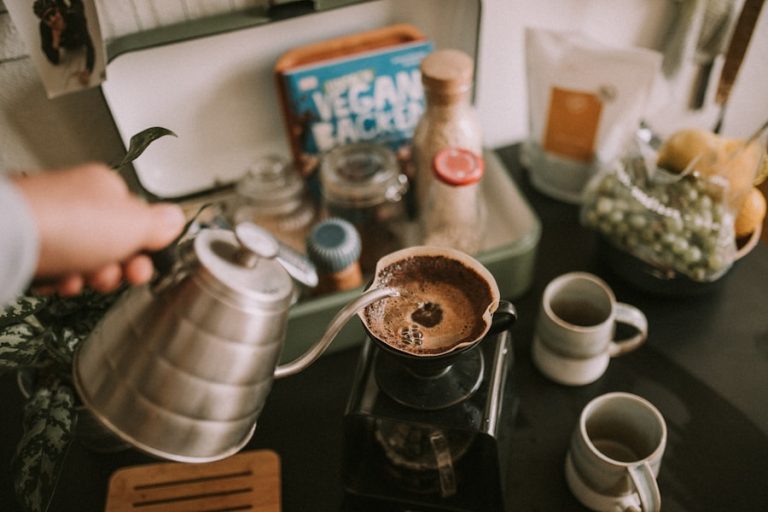
- Pour-Over: This method allows for significant control over the brewing variables.
- Grind Size: A medium grind is typically suitable for pour-over.
- Bloom: Start with a small amount of hot water to wet the grounds and allow them to “bloom” for 30 seconds, releasing trapped gases.
- Controlled Pour: Gradually pour the remaining hot water over the grounds in a circular motion, ensuring even saturation.
- Extraction Time: Aim for a total brew time of 2-3 minutes, depending on the amount of coffee being brewed.
- French Press: This method produces a full-bodied coffee with more oils and fine sediment.
- Coarse Grind: Use a coarse grind to prevent excessive sediment from passing through the plunger.
- Steeping: Add coffee grounds and hot water to the French press and let it steep for 4 minutes.
- Plunge: Slowly and steadily press the plunger down to separate the grounds from the brewed coffee.
- Drip Coffee Maker: A convenient method for brewing larger quantities.
- Filter: Use a quality paper filter for a cleaner cup.
- Ratio: Maintain a consistent coffee-to-water ratio for optimal extraction.
- Water Temperature: Ensure the coffee maker heats water to the optimal brewing temperature (195-205°F or 90-96°C).
Coffee-to-Water Ratio
The ratio of coffee grounds to water is a fundamental aspect of brewing.
- Standard Ratio: A common starting point is a ratio of 1:15 to 1:17 (grams of coffee to grams of water). For example, 15 grams of coffee for 225-255 grams (or ml) of water.
- Adjusting for Strength: This ratio can be adjusted to personal preference. A lower ratio (e.g., 1:14) will result in a stronger brew, while a higher ratio (e.g., 1:18) will yield a weaker brew.
Infusing the Bacon Flavor
This stage is where the savory and sweet elements converge. The rendered bacon fat is gently introduced into the brewed coffee.
Method of Fat Incorporation
The goal is to emulsify the fat into the coffee, creating a cohesive, flavorful beverage.
- Direct Addition and Stirring: The simplest method involves adding a small amount of the strained bacon fat directly to the brewed coffee.
- Quantity: Begin with a small quantity, such as 1/2 teaspoon to 1 teaspoon of rendered fat per cup of coffee. It is easier to add more than to remove it.
- Stirring: Stir vigorously for at least 30 seconds to a minute. The aim is to break down the fat into small droplets that can disperse throughout the coffee. This process is akin to creating a vinaigrette; the agitation is key to suspension.
- Emulsification: A slightly warmer coffee temperature can aid in the emulsification process.
- Using a Milk Frother: A milk frother, whether manual or electric, can be an effective tool for achieving a more stable emulsion.
- Combine: Pour your brewed coffee into a heat-safe container. Add the rendered bacon fat to the coffee.
- Froth: Immerse the frother into the mixture and froth for 30-60 seconds, or until the fat appears well incorporated and the liquid has a slightly frothy texture.
- Gentle Heating (Optional): If the coffee has cooled significantly, you can gently reheat the mixture after frothing, being careful not to boil.
- Blender Method: For a more thorough, albeit potentially aerated, emulsion.
- Combine: Add brewed coffee and rendered bacon fat to a blender.
- Blend: Blend on a low to medium speed for 20-30 seconds. Be cautious not to over-blend, which can create excessive foam.
- Serve Immediately: Serve the blended Bilge Brew promptly for the best texture.
Adjusting Fat Quantity
The amount of bacon fat is a critical variable.
- Starting Point: Begin with a conservative amount. Overuse of bacon fat can lead to an overly greasy or overwhelmingly savory beverage, masking the coffee’s nuances.
- Gradual Increase: After tasting, if desired, incrementally add more fat and re-incorporate. The goal is to find a balance where the bacon flavor enhances the coffee without dominating it.
- Personal Preference: Ultimately, the correct amount of fat is subjective and dependent on individual taste preferences.
Refinements and Presentation
Elevating the Bilge Brew beyond a simple infusion involves thoughtful additions and presentation that complement the core flavors.
Sweetener Considerations
The inherent saltiness of bacon often pairs well with sweetness.
- Maple Syrup: Maple syrup, with its earthy sweetness and potential smoky undertones, is a natural complement to bacon. Its viscosity also contributes to mouthfeel.
- Brown Sugar: Brown sugar, with its molasses notes, can add a warm, caramel-like sweetness that harmonizes with the savory elements.
- Honey: Different varieties of honey can offer unique flavor profiles. A darker, more robust honey might be suitable.
- Artificial Sweeteners: If preferred, sugar substitutes can be used, though they may not provide the same depth of flavor as natural sweeteners.
Optional Additions
Certain ingredients can further enhance the Bilge Brew experience.
- Cream or Milk: A splash of milk or cream can mellow the intensity of the bacon flavor and create a creamier texture. The fat from the cream can also help to further emulsify the bacon fat.
- Spices: A very small pinch of cinnamon or nutmeg can add a subtle warmth and complexity. Use sparingly to avoid overwhelming the primary flavors.
- Bitters: A dash of aromatic or chocolate bitters can add another layer of depth and intrigue, similar to how they are used in cocktails.
Serving Suggestions
The vessel and temperature can influence the perception of the beverage.
- Mug: A sturdy ceramic mug is a traditional choice that retains heat well.
- Preheating: Preheating the mug can help to keep the Bilge Brew at an optimal drinking temperature for longer.
- Garnish: A small piece of crispy bacon atop the drink or a dusting of cinnamon can serve as a visually appealing garnish.
- Temperature: Serve hot. The warmth enhances the aromas and the diffusion of flavors.
Potential Variations and Aurora’s Kiss
Beyond the standard preparation, the Bilge Brew can be adapted and explored to create novel flavor profiles. This section delves into possible modifications and a conceptual extension.
Exploring Different Bacon Types
The foundational ingredient, bacon, offers a wide spectrum of variations that can significantly alter the final beverage.
- Pancetta: Italian pancetta, typically cured but not smoked, offers a purely porky, salty flavor. This would result in a Bilge Brew that emphasizes the inherent pork taste without the smoky notes, creating a different savory dimension.
- Prosciutto: While not traditionally rendered for fat in the same way as bacon, a very carefully and lightly rendered prosciutto could introduce a more delicate, nuanced saltiness and a hint of cured meat flavor. This would be a more experimental approach, requiring careful attention to avoid bitterness.
- Flavored Bacon: Bacon infused with herbs, peppers, or other spices can be used to impart those specific flavor profiles into the Bilge Brew. For instance, peppered bacon could add a subtle spiciness.
The “Aurora’s Kiss” Concept
This conceptual variation aims to introduce a contrasting sweet and vibrant element, mirroring the unexpected beauty of the aurora borealis against a dark sky.
- Citrus Zest Infusion: Before brewing the coffee, the coffee grounds could be gently mixed with a small amount of finely grated citrus zest (e.g., orange or grapefruit). This would not be for direct infusion into the fat, but rather as an aromatic element released during brewing. The citrus oils, when volatilized by the hot water, would create a fleeting, bright aroma that could offer a surprising counterpoint to the rich, savory notes of the bacon fat. The brewing process would then marry these volatile aromatics with the brewed coffee, before the bacon fat is introduced.
- Delicate Sweetener: Instead of a robust sweetener like maple syrup, a very light, floral honey like acacia or a simple syrup infused with a subtle botanical could be used. The goal is to provide a whisper of sweetness that doesn’t compete with the citrus aroma or the bacon.
- Chilled Finish: For a truly contrasting experience, after preparing the bacon-infused coffee, it could be lightly chilled and then served with a small dollop of unsweetened whipped cream or a very light, unsweetened foam, topped with a tiny sprinkle of edible glitter for visual effect, further evoking the aurora. This would be a departure from the traditional hot beverage and lean towards a more experimental, dessert-like creation. The fat would need to be well emulsified to prevent separation in a chilled beverage.
Temperature and Consistency Play
The role of temperature and the resulting consistency of the Bilge Brew cannot be overstated in its impact on the overall sensory experience.
- Warmth and Aroma Release: Hot beverages are inherently better at releasing volatile aromatic compounds. The warmth of the Bilge Brew is crucial for carrying the rich, savory aromas of the bacon fat and the roasted coffee beans. A beverage that is too cool will mute these olfactory cues, diminishing the overall impact of the flavor profile.
- Fat Viscosity and Mouthfeel: The viscosity of the rendered bacon fat changes significantly with temperature. At optimal drinking temperature, the fat will be liquid and should integrate smoothly with the coffee. If the beverage is too hot, the fat may remain too distinct, leading to an oily texture. If it is too cool, the fat may begin to solidify, creating an unpleasant mouthfeel and potentially affecting the emulsion. Achieving a balanced, smooth mouthfeel requires careful temperature control during both the infusion and serving stages. The goal is a harmonious blend where the richness is present without being cloying or greasy.
FAQs
What is Bilge Brew Coffee with Bacon?
Bilge Brew Coffee with Bacon is a unique and savory coffee recipe that combines the rich flavors of coffee with the smoky and salty taste of bacon. It is a popular choice for those who enjoy experimenting with different flavor combinations in their coffee.
How do you make Bilge Brew Coffee with Bacon?
To make Bilge Brew Coffee with Bacon, start by brewing a strong cup of coffee. While the coffee is brewing, cook several strips of bacon until they are crispy. Once the bacon is cooked, crumble it into small pieces and add it to the brewed coffee. Stir the coffee and bacon together, allowing the flavors to meld for a few minutes before serving.
What type of coffee works best for Bilge Brew Coffee with Bacon?
For Bilge Brew Coffee with Bacon, it is best to use a dark roast coffee with a bold and robust flavor. The strong coffee flavor will complement the smoky and salty taste of the bacon, creating a well-balanced and savory beverage.
Can Bilge Brew Coffee with Bacon be made vegetarian or vegan?
Yes, Bilge Brew Coffee with Bacon can be made vegetarian or vegan by using plant-based bacon alternatives. There are many options available in stores that mimic the taste and texture of bacon, allowing those with dietary restrictions to still enjoy the unique flavor combination of Bilge Brew Coffee.
What are some tips for enhancing the flavor of Bilge Brew Coffee with Bacon?
To enhance the flavor of Bilge Brew Coffee with Bacon, consider adding a sprinkle of cinnamon or a dash of maple syrup for a touch of sweetness. Additionally, experimenting with different types of bacon, such as applewood-smoked or maple-glazed, can add depth to the flavor profile of the coffee.








+ There are no comments
Add yours