


The conventional wisdom around espresso has always been simple: go dark or go home. Dark roasts, bold flavors, thick crema. That’s the formula most baristas swear by. But here’s the thing – that advice is costing people some of the most exciting flavor experiences coffee can offer.
Light roast for espresso flips everything on its head. It demands different techniques, rewards patience, and delivers flavors that dark roasts simply cannot touch. I’ve spent months dialing in light roasts on my home setup, and the journey has been equal parts frustrating and revelatory.
Curious about how light, medium, and dark roasts compare for espresso? For a deeper dive into the differences, check out this comprehensive guide to espresso roast levels from Bilge Brew.
How Light Roast Espresso Creates Superior Flavor Profiles
Higher Caffeine Content and Preserved Origin Characteristics
Here’s something that surprises most people: light roasts actually pack more caffeine per bean than their darker counterparts. The roasting process burns off caffeine, so stopping the roast early preserves more of that natural stimulant. But that’s almost beside the point.
The real magic lies in origin characteristics. When beans from Ethiopia hit your cup, they should taste like they came from Ethiopia – not like generic “coffee.” Light roasting preserves these terroir-driven qualities. It’s basically the difference between drinking orange juice from concentrate versus fresh-squeezed. One is fine. The other tells a story.
Enhanced Fruity and Floral Notes
Dark roasting obliterates delicate compounds. Light roasting celebrates them. I remember pulling my first successful light roast shot and getting a distinct blueberry note. Not blueberry-flavored coffee. Actual blueberry. That’s when everything clicked.
These fruity and floral notes emerge because the Maillard reaction – that browning process – hasn’t progressed far enough to create the caramelized, roasty flavors that dominate darker profiles. The beans retain their brightness.
Bright Acidity and Complex Sweetness
Acidity in coffee isn’t a flaw. It’s a feature. The best light roast coffee beans for espresso deliver an acidity that sparkles on the tongue – citrusy, wine-like, alive. Combined with natural sweetness that hasn’t been burned away, the flavor profile becomes genuinely complex.
Think about it this way: dark roast espresso is like listening to bass-heavy music through cheap speakers. You get impact but lose nuance. Light roast espresso is the full frequency spectrum.
Increased Antioxidants and Chlorogenic Acids
Beyond flavor, light roasts retain higher concentrations of chlorogenic acids – CGAs, as coffee nerds call them. These compounds break down during extended roasting. They contribute both to health benefits and to that characteristic brightness in the cup.
Complete Light Roast Espresso Brewing Guide
Best Light Roast Coffee Beans for Espresso
Don’t even bother with light roast espresso until you’ve sourced quality beans. This matters more than any other variable. Look for single-origin beans from regions known for vibrant profiles: Ethiopian Yirgacheffe, Kenyan AA, or Colombian micro-lots.
For a top-tier option, consider the Bilge Brew Coffee Co Light Espresso Roast—a standout choice for those seeking both authority and exceptional flavor in their cup.
The beans should be fresh – ideally 7-21 days post-roast. Too fresh creates excessive CO2 and channeling issues. Too old loses those volatile aromatics that make light roasts special.
Optimal Grind Size Settings
Light roast espresso grind size needs to go finer than dark roasts. Significantly finer. The beans are denser because less cellular structure has broken down during roasting. This density means water passes through more easily, requiring a finer grind to achieve proper resistance.
Start about 2-3 clicks finer than your dark roast setting and adjust from there. Expect this process to take several shots to dial in.
Perfect Temperature and Pressure Parameters
Here’s where many home baristas go wrong. Light roast espresso temperature should run hotter than dark roasts – typically 200-205°F versus the standard 195-200°F range. Those extra degrees help extract soluble compounds from denser beans.
Pressure remains standard at 9 bars. Some argue for pressure profiling, ramping up slowly. That’s advanced territory worth exploring once the basics are mastered.
Achieving Golden Crema with Light Roasts
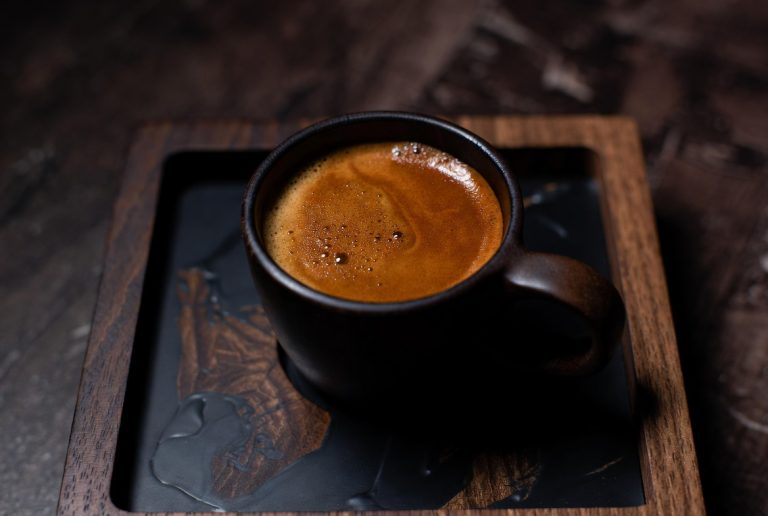
Let’s be honest – light roast espresso crema will disappoint people expecting that thick, tiger-striped layer from dark roasts. The single most frustrating part of this whole process is explaining to visitors that thinner, lighter crema doesn’t mean bad espresso.
Light roasts contain fewer oils and CO2 – the compounds that create crema volume. The crema will be blonde, delicate, and dissipate faster. This is normal. The flavor in the cup matters more than Instagram aesthetics.
Extraction Time Adjustments
Aim for 25-35 seconds extraction time, slightly longer than typical dark roast pulls. Light roasts need more time to surrender their flavors. Rushing the extraction leads to sour, underdeveloped shots.
Monitor the flow visually. It should start slowly, then flow like warm honey. Thin, watery streams indicate channeling. Adjust grind size or distribution accordingly.
Mastering Light Roast Espresso
This light roast espresso brewing guide ultimately comes down to one principle: patience. Light roasts demand precision that dark roasts forgive. Every variable matters more. But when everything aligns correctly – the grind dialed in, temperature perfect, extraction timed precisely – the reward is espresso that tastes like nothing else.
The learning curve is steep. I ruined a lot of expensive beans before consistently pulling good shots. But that first moment when citrus and stone fruit and floral honey all hit simultaneously? Worth every failed attempt.
Dialing in light roast espresso can be tricky, but you don’t have to troubleshoot alone. For a step-by-step approach to fixing sour, bitter, or weak shots, check out this espresso troubleshooting guide from Bilge Brew.
Frequently Asked Questions
Why does my light roast espresso taste sour?
Sour shots mean under-extraction. Try grinding finer, increasing water temperature, or extending extraction time. The dense bean structure needs more energy to release sweetness and balance acidity.
Can I use regular espresso settings for light roast beans?
No. Standard dark roast settings will produce thin, sour, disappointing shots. Expect to grind finer and run hotter temperatures at minimum.
Which grinder works best for light roast espresso?
Any quality burr grinder with fine adjustment capabilities works. Look for stepped grinders with small increments or stepless adjustment. Blade grinders produce inconsistent particles and should be avoided entirely.
How do I prevent channeling with light roast coffee?
Use WDT – that’s Weiss Distribution Technique – a needle tool to break up clumps before tamping. Ensure even distribution across the portafilter basket. Light roasts clump more than dark roasts due to lower oil content.
What’s the ideal dose for light roast espresso?
Start with 18 grams in a standard double basket, aiming for a 1:2 ratio – so 36 grams out. Adjust based on taste preferences and basket capacity.








+ There are no comments
Add yours