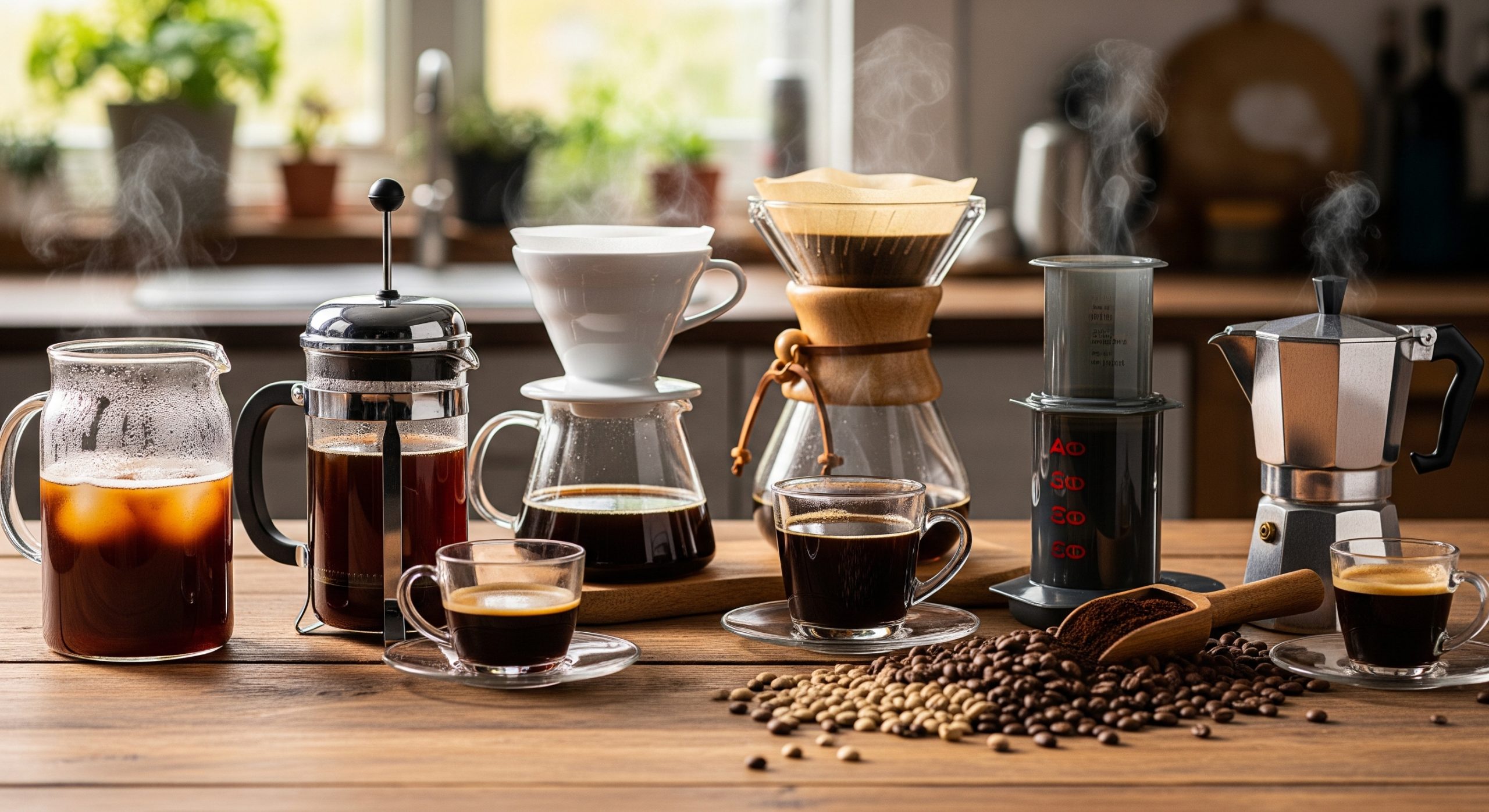

Most coffee lovers believe espresso is the ultimate caffeine bomb. It’s concentrated, intense, and feels like a jolt to the system. But here’s the thing – that assumption is costing serious caffeine seekers their morning edge. The truth? A single shot of espresso contains roughly 64 mg of caffeine. A standard cup of drip coffee? About 95 mg. And cold brew concentrate? It can pack over 200 mg in the same serving size. Choosing the right coffee brew for most caffeine isn’t about intensity of flavor. It’s about extraction science.
Looking to pick your brew type and instantly see which coffee to buy for it? BilgeBrew is a coffee site that lets you do exactly that. Their brew methods page makes it easy to shop by brew style and discover the best beans for your favorite method.
Top Coffee Brewing Methods Ranked by Caffeine Content
1. Cold Brew Concentrate: 200-300 mg per 16 oz
Cold brew sits at the top of the caffeine hierarchy, and it’s not even close. The method works like this: coarsely ground coffee steeps in cold water for 12-24 hours. That extended contact time and high coffee-to-water ratio pull massive amounts of caffeine into the final brew. A 16 oz cup of homemade cold brew typically delivers around 200-300 mg of caffeine. Store-bought versions can vary wildly, anywhere from 9.5 mg to 330 mg per serving. Concentrate forms are even stronger, sometimes hitting 520 mg per 8 oz before dilution.
2. French Press: 100-165 mg per 8 oz
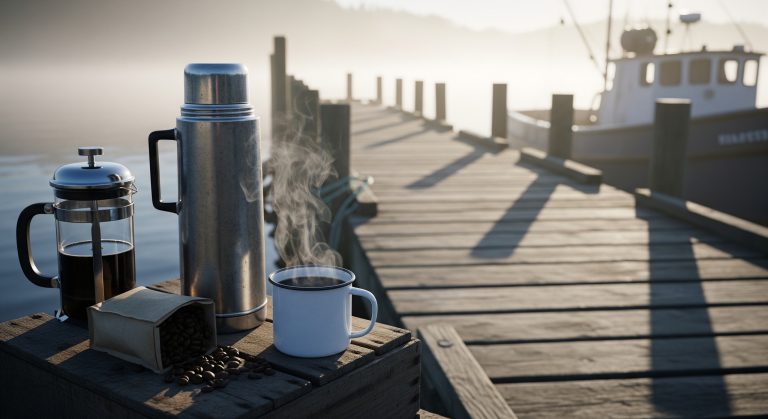
Does French press coffee have more caffeine than most methods? Absolutely. The full immersion technique keeps grounds in direct contact with hot water for about four minutes. No paper filter means more oils and soluble compounds (including caffeine) end up in the cup. Expect between 100-165 mg per 8-ounce serving. The beauty here is control – steeping time, water temperature, and grind coarseness all become levers for adjusting strength.
Personal note: I always reach for my French press when I want a rich, full-bodied cup. The flavor profile is unmatched—deep, aromatic, and satisfying. If you want to get the best results, check out this excellent French press guide from BilgeBrew.
3. Pour-Over Coffee: 80-120 mg per 8 oz
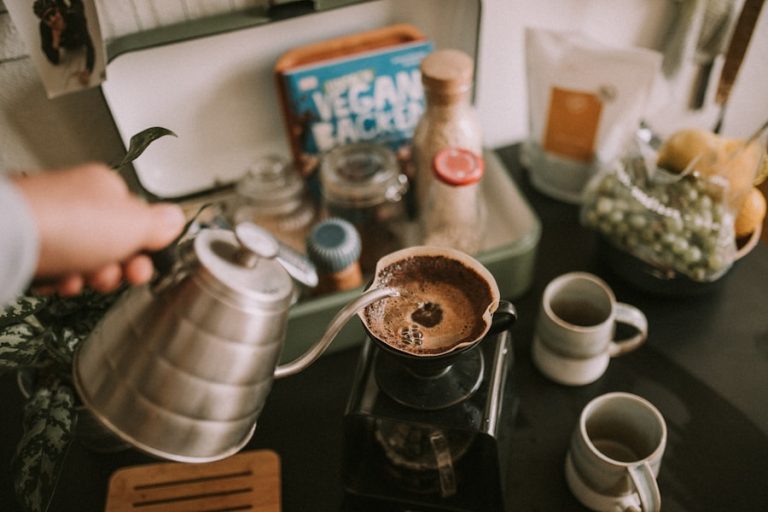
Caffeine content in pour-over coffee falls in a solid middle range, typically between 80-120 mg per cup. The method uses gravity and a paper filter, which creates a cleaner cup but also traps some of those caffeine-carrying oils. Still, precise technique and a medium-fine grind can maximize extraction. Pour-over rewards patience and attention to detail.
4. Drip Coffee Maker: 95 mg per 8 oz
The trusty drip machine delivers around 95 mg of caffeine per 8-ounce cup. That’s respectable. When comparing espresso vs drip coffee caffeine content, drip actually wins on a per-serving basis because of volume. Longer brewing times and optimal water temperature (that 195-205°F sweet spot) help maximize what ends up in the carafe.
5. AeroPress: 80-120 mg per 8 oz
Caffeine content in AeroPress coffee is a bit of a head-scratcher. The brew tastes concentrated and bold, which tricks many into thinking it’s caffeine-heavy. Reality check: actual caffeine levels are comparable to other methods when using similar amounts of coffee. The 1:6 coffee-to-water ratio creates intensity of flavor, not necessarily more caffeine. Still, that concentrated style makes it perfect for those who want a smaller, punchy serving. Expect 80-120 mg per 8 oz, depending on recipe and steep time.
6. Espresso Shot: 64 mg per 1 oz
Here’s where the myth unravels. A single 1 oz espresso shot contains approximately 64 mg of caffeine. Double that for a doppio. But compare that to a 12 oz drip coffee’s 144 mg, and suddenly espresso doesn’t look so mighty. Per ounce, espresso is concentrated (63 mg per ounce versus about 12 mg per ounce in drip). Per serving? It loses.
7. Moka Pot: 80-120 mg per 2 oz
Moka pots produce something between espresso and drip – a strong, stovetop brew that varies based on pot size, grind fineness, and brewing duration. A 6-cup moka pot brews significantly more volume than a single espresso shot, yielding more total caffeine. Expect about 80-120 mg per 2 oz serving. Temperature control during brewing affects extraction rates substantially.
Key Factors That Maximize Caffeine Extraction
Water Temperature and Contact Time
Think of extraction like steeping tea – temperature and time matter enormously. The ideal water temperature for brewing sits between 195°F and 205°F. Too hot causes over-extraction (hello, bitterness). Too cold leaves caffeine locked in the grounds. Contact time follows similar logic: under-extraction produces sour, weak coffee, while over-extraction creates that mouth-puckering astringency nobody wants.
Coffee-to-Water Ratio
This is the variable most people overlook. Honestly, the only one that really matters for caffeine maximization is how much coffee goes into the brew. Standard ratios look like this:
|
Brewing Method |
Typical Ratio |
|---|---|
|
Cold Brew Concentrate |
1:2 to 1:5 |
|
French Press |
1:12 to 1:16 |
|
Drip Coffee |
1:16 |
|
AeroPress |
1:6 |
|
Moka Pot |
1:7 to 1:10 |
Want more caffeine? Use more coffee. It really is that simple.
Grind Size Impact
Finer grinds increase surface area, speeding up extraction. Espresso uses very fine grounds for rapid, pressurized extraction. Cold brew uses coarse grounds because the extended steep time compensates. Match grind size to method. Get it wrong, and caffeine extraction suffers regardless of everything else.
Bean Type and Roast Level
Here’s another myth that needs busting: light roasts don’t automatically contain more caffeine than dark roasts. Recent research from Berry College suggests medium roasts may actually provide the highest caffeine levels due to optimal porosity for extraction. Robusta beans contain nearly twice the caffeine of Arabica. So which coffee has the most caffeine? Often, it’s a medium-roast Robusta brewed as cold brew concentrate. Want a recommendation? Try Atomic Medium with Robusta from BilgeBrew for a serious caffeine kick.
Maximizing Your Morning Caffeine Kick
Getting the biggest caffeine punch comes down to three things: brewing method, coffee-to-water ratio, and bean selection. Cold brew concentrate wins the method battle. A higher coffee ratio amplifies whatever method is chosen. And Robusta beans or medium roasts edge out the competition.
But here’s the practical advice: don’t overthink it. Pick a method that fits the morning routine and adjust the variables within that method. More grounds, proper temperature, appropriate grind size. Those tweaks alone can boost caffeine content 20-30% without switching equipment.
Frequently Asked Questions
Does French press coffee have more caffeine than espresso?
Yes, per serving. An 8 oz French press cup delivers 100-165 mg of caffeine compared to a single espresso shot’s 64 mg.
Which coffee bean variety contains the most caffeine?
Robusta beans contain roughly twice the caffeine of Arabica beans – about 2.7% caffeine content versus 1.5%.
How much caffeine is in a typical 8 oz cup using different brewing methods?
-
Cold brew: 150-200 mg
-
French press: 100-165 mg
-
Drip coffee: 95 mg
-
Pour-over: 80-120 mg
-
Espresso (1 oz): 64 mg
Does longer brewing time always mean more caffeine?
Not always. Extraction has limits. After a certain point, additional brewing time extracts undesirable compounds without adding much caffeine.
Can I increase caffeine content without changing my brewing method?
Absolutely. Use more coffee grounds, ensure water temperature hits 195-205°F, and consider switching to a Robusta blend or medium roast. Small adjustments compound into noticeable differences.






+ There are no comments
Add yours